The short answer
- Bowen Plumbing has served Hot Springs, AR since 1985 — 41 years under the same family name.
- Pipe materials changed from galvanized steel and cast iron to copper, then PEX and PVC, each shift driven by real failures we saw in local homes.
- Hot Springs itself grew from a smaller town into a spread-out community reaching Malvern, Bismarck and Hot Springs Village, and the work grew with it.
- What never changed: flat upfront pricing, showing up when we say we will, and telling a customer the truth even when it's a smaller job than they expected.
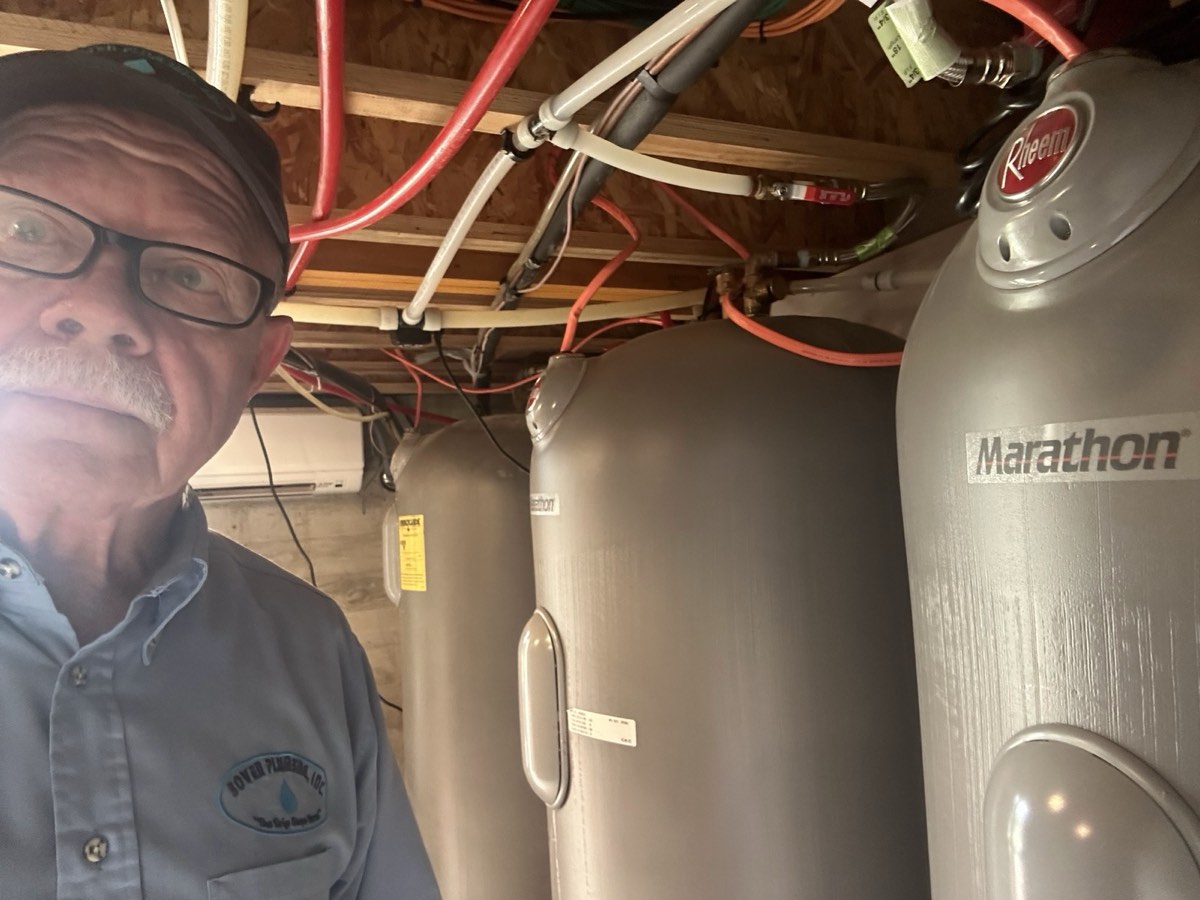
David Bowen took his first plumbing call in Hot Springs in 1985, in houses that still had galvanized supply lines and cast iron drains original to the build. Forty-one years later, Bowen Plumbing has replaced most of that old pipe at least once, and watched the town grow up around it.
How Did Bowen Plumbing Get Started in Hot Springs?
Bowen Plumbing opened its doors in 1985 as a small, family-run outfit — no franchise backing, no call center, just David Bowen and a truck. Four decades later it's still family-owned, and that's not a marketing line; it's the actual org chart.
The early jobs were simple by today's standards, but the town wasn't easy to work in. Hot Springs sits on hilly, rocky terrain, and a lot of the housing stock dated back decades before David ever picked up a wrench. Every callout meant sizing up what was actually behind the wall before touching anything.
There was no software, no online reviews, no way to build trust except one job at a time. A customer either believed you'd come back and stand behind the work, or they called the next name in the phone book. That's still basically how it works — it's just that now the phone book is a search result.
What's Changed: Pipe Materials in Hot Springs Homes
Most Hot Springs homes built before the 1970s were plumbed in galvanized steel or cast iron, materials that corrode from the inside out over 40 to 50 years, per the International Association of Certified Home Inspectors. We've cut into that same original pipe on houses David first worked on in the 1980s and are still fixing today under second and third owners.
The material shift wasn't gradual from where we stood — it happened in visible waves. Copper took over supply lines through the '80s and '90s because it resisted the rust and mineral buildup that plagued galvanized steel. Then PEX and PVC arrived, and by the 2000s they'd become the standard for most new work and repipes across the market.
Why the switch mattered
- Galvanized steel rusts internally, narrowing the pipe and eventually choking off water pressure
- Cast iron drain lines crack and root-intrude with age, a common cause of slow drains in older Hot Springs homes
- Copper resists corrosion better but costs more and can pinhole-leak in homes with acidic water
- PEX flexes around framing without solder joints, cutting installation time and leak points
- PVC became the standard for drain, waste and vent lines because it doesn't rust or scale
We still get calls from owners of older homes near downtown Hot Springs who assume a slow drain is a clog, when the real problem is 60-year-old cast iron finally giving out. Telling someone their pipe needs replacing, not snaking, is never a fun call to make — but it's the honest one.
What's Changed: Code and Inspection Requirements
Arkansas adopted updated versions of the International Plumbing Code over the decades, tightening requirements on backflow prevention, venting and water heater installation that didn't exist when many Hot Springs homes were first built, according to the Arkansas Department of Health, Plumbing Section. A repair today has to meet standards nobody was thinking about in 1985.
That's meant real changes to how a job gets done. Backflow preventers on irrigation systems, proper venting on remodeled bathrooms, code-compliant water heater pans and shutoffs — none of it was optional anymore. We built those requirements into how we quote and complete work, because a repair that fails inspection isn't a finished job.
The tightened code has actually made older Hot Springs homes more predictable to work on, not less. When a permit pulls a pre-1990 bathroom, it forces a full look at venting and drain slope that decades of prior repairs may have quietly skipped.
What's Changed: A Bigger, More Spread-Out Hot Springs
Hot Springs and its surrounding communities have grown well beyond the downtown core Bowen Plumbing started in, with new subdivisions pushing out toward Hot Springs Village, Malvern and the lake areas. Our service map grew with it — we now cover Hot Springs, Hot Springs Village, Malvern, Bismarck, Jessieville, Pearcy and Royal.
Growth changed the mix of work, not just the geography. New construction in Hot Springs Village and Malvern brought PEX and PVC installs done right the first time, while the original Hot Springs neighborhoods kept us busy with galvanized and cast iron replacements. We run both playbooks in the same week, sometimes the same day.
It also meant a bigger truck fleet, more scheduling coordination, and — eventually — David's family stepping in alongside him. What hasn't changed is who answers the phone. It's usually still a Bowen.
What Hasn't Changed: Upfront Pricing, No Hourly Surprises
Bowen Plumbing has never billed by the hour, a pricing structure that's stayed consistent from David's earliest jobs through today's calls across Garland and Hot Spring counties. Every job gets one flat price, quoted before any work begins — so the number on the invoice matches the number you agreed to.
That habit predates most of the technology that makes it easier now. In the 1980s it meant David walking a homeowner through the repair in their kitchen and giving them a number on the spot, no calculator involved. Today it means the same walkthrough, just with better parts behind it.
Why Does a Local Family Plumber Still Matter in Hot Springs?
A family-owned plumber with 41 years in one market carries institutional knowledge that a rotating crew simply can't match, having likely already worked on a given home's original plumbing decades earlier. That history shows up in faster, more accurate diagnoses on older Hot Springs housing stock.
Across four decades of service calls, the jobs that go sideways almost always trace back to the same root cause: someone got a diagnosis without anyone actually looking at the pipe first. Showing up, looking, and then quoting — in that order — is the whole method, and it hasn't needed updating.
Reputation in a town this size is also self-correcting in a way a big-city operation never has to reckon with. Cut corners on a Malvern job, and the next call is often from that same customer's neighbor asking what happened. Forty-one years of avoiding that conversation is its own kind of quality control.