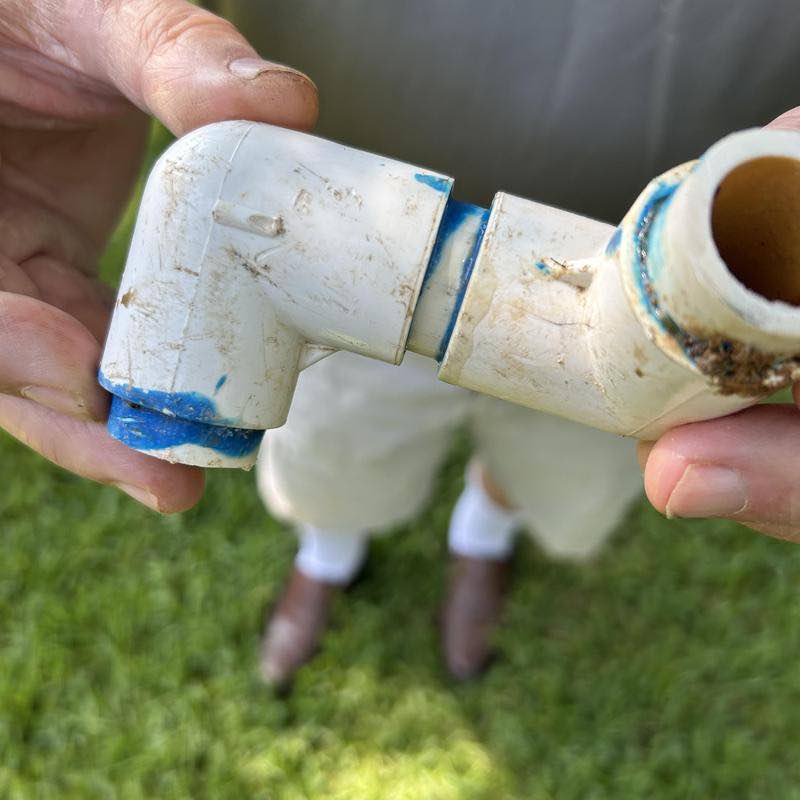
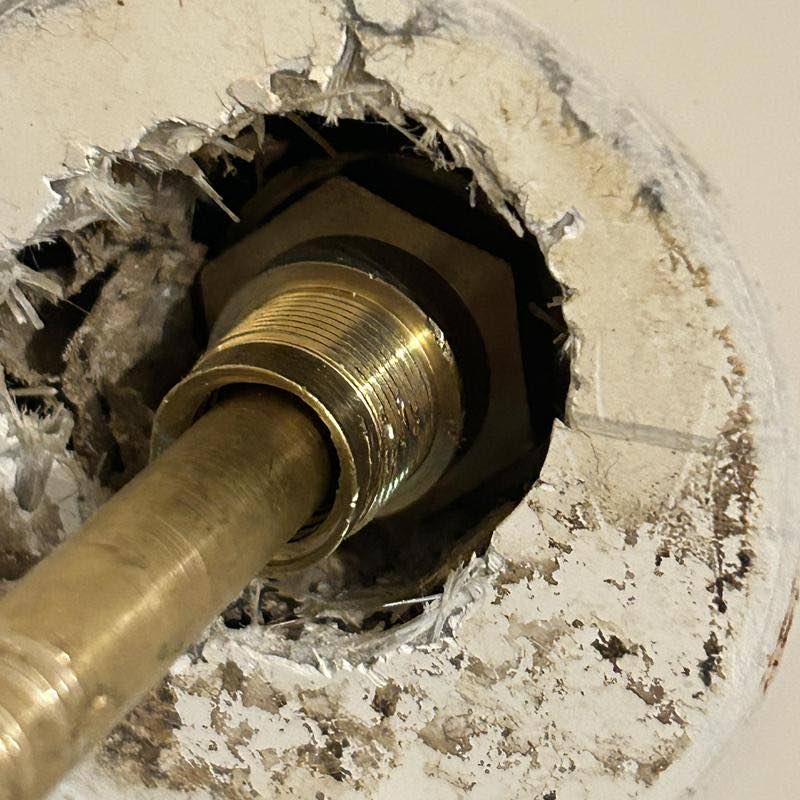
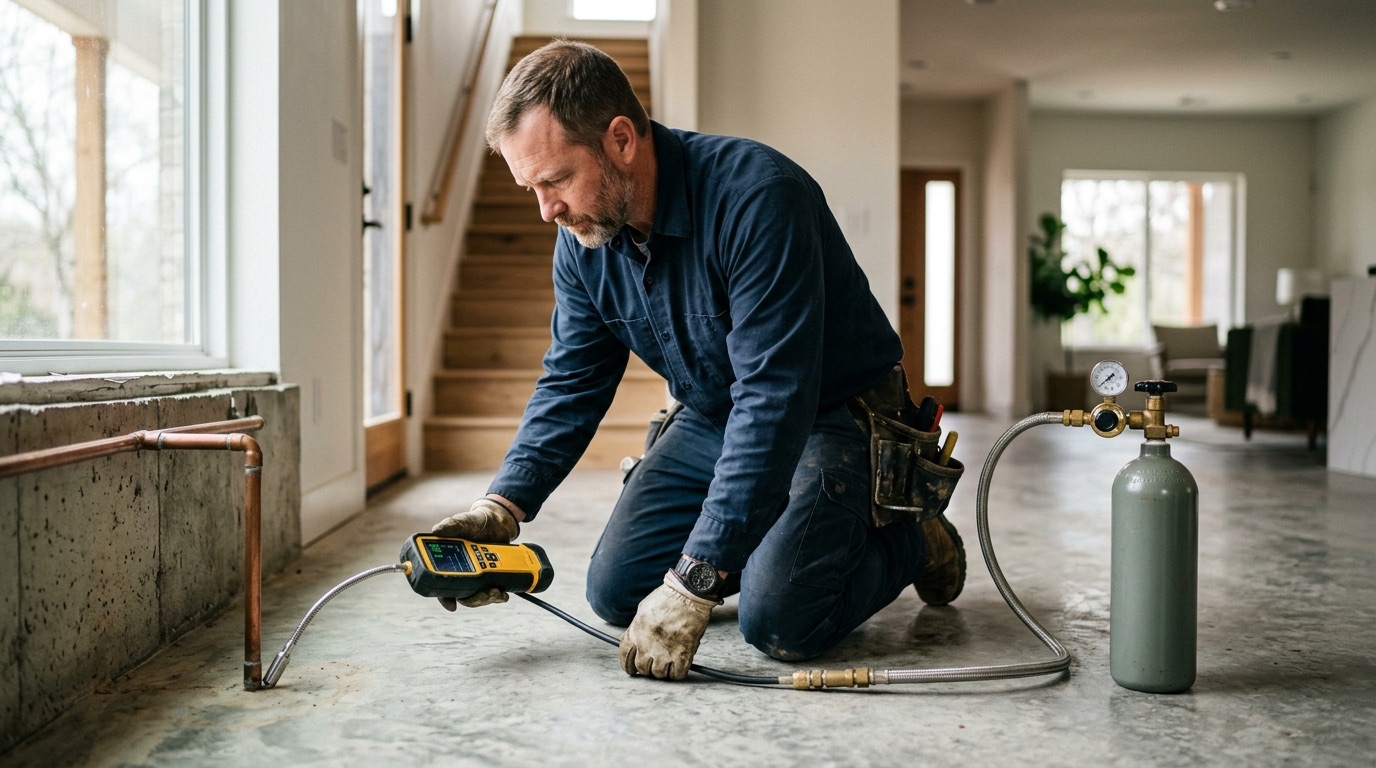
Slab leaks are common in homes with copper lines under the foundation, especially where soil movement, our mineral-rich water, or a construction nick has worn through the pipe. Because the leak is under concrete, the first signs are usually indirect: a warm spot on the floor, a water bill that keeps climbing, flooring that lifts or cracks, or the sound of running water when nothing is on. We test hot and cold lines separately, pressurize the leaking side with a safe hydrogen/nitrogen tracer gas, and sweep the floor with our detector. Hydrogen rises through concrete, tile, and wood, and where it surfaces is where we mark the leak.
What’s included
- Hot and cold line isolation and pressure testing
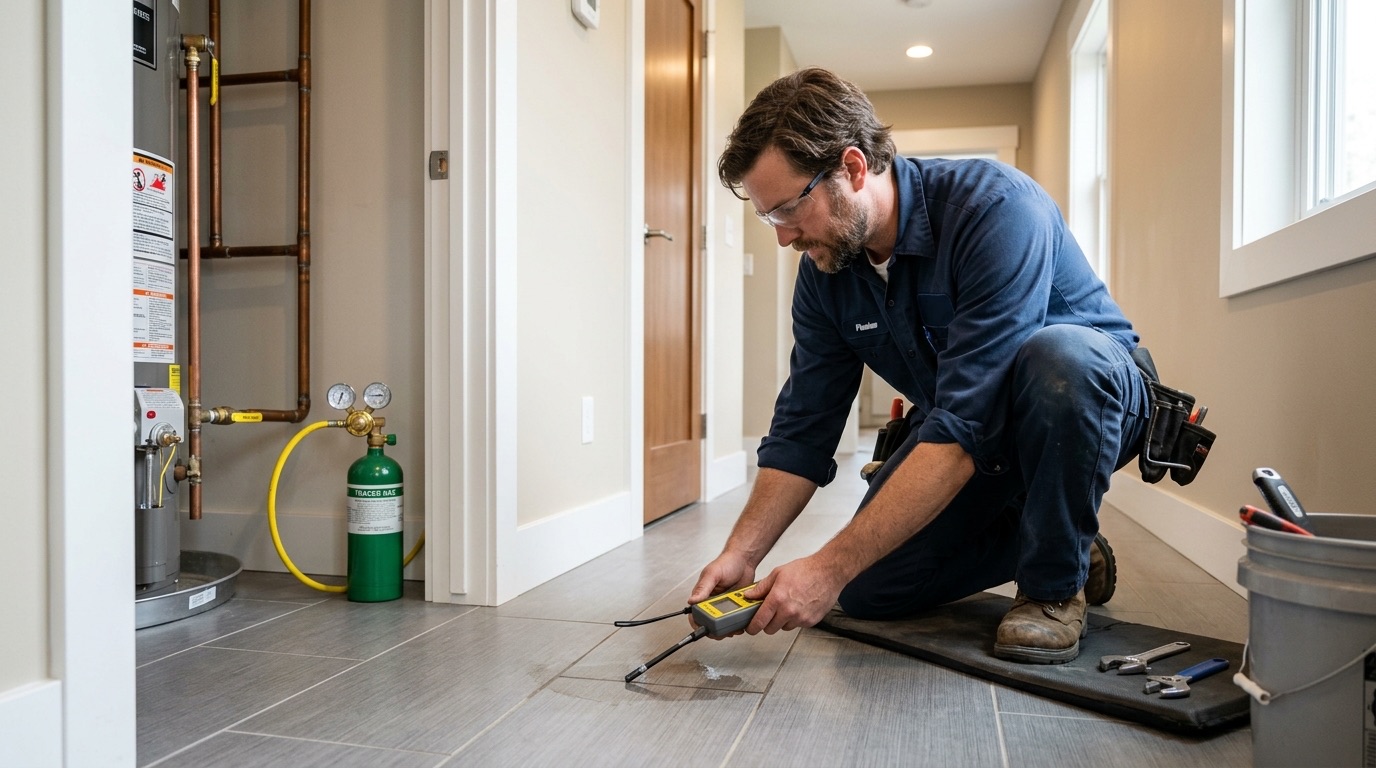
- Tracer-gas detection through concrete, tile, and hardwood
- Acoustic confirmation of the leak location
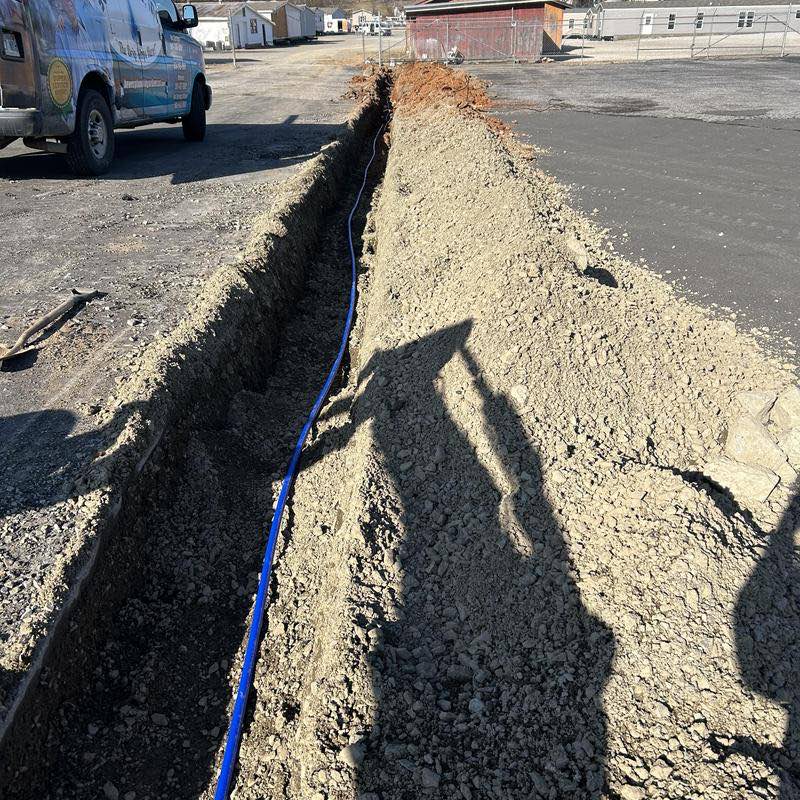
- Repair through a single access point, or reroute if the line is failing
- Honest advice on spot repair vs. repiping
- Coordinated cleanup and floor patch after repair
Spot repair or reroute?
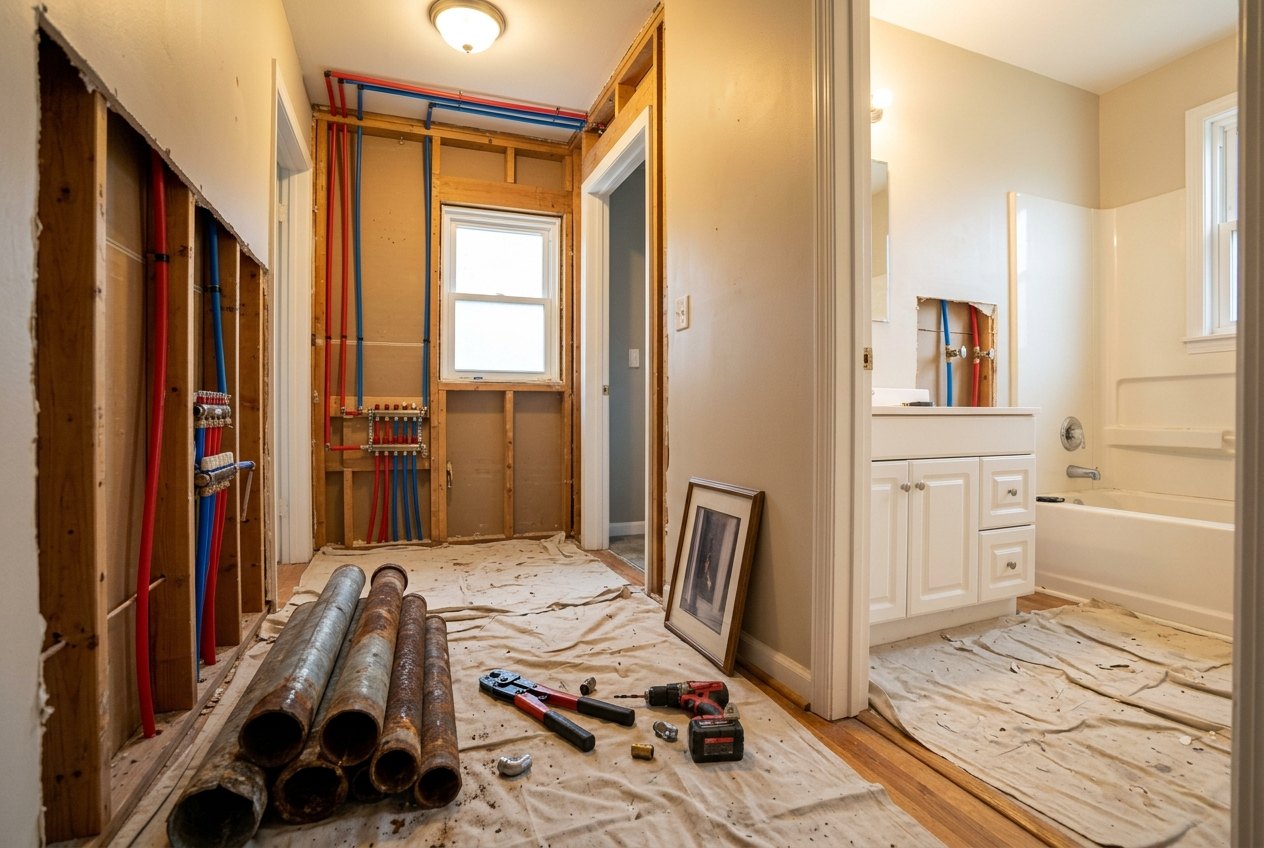
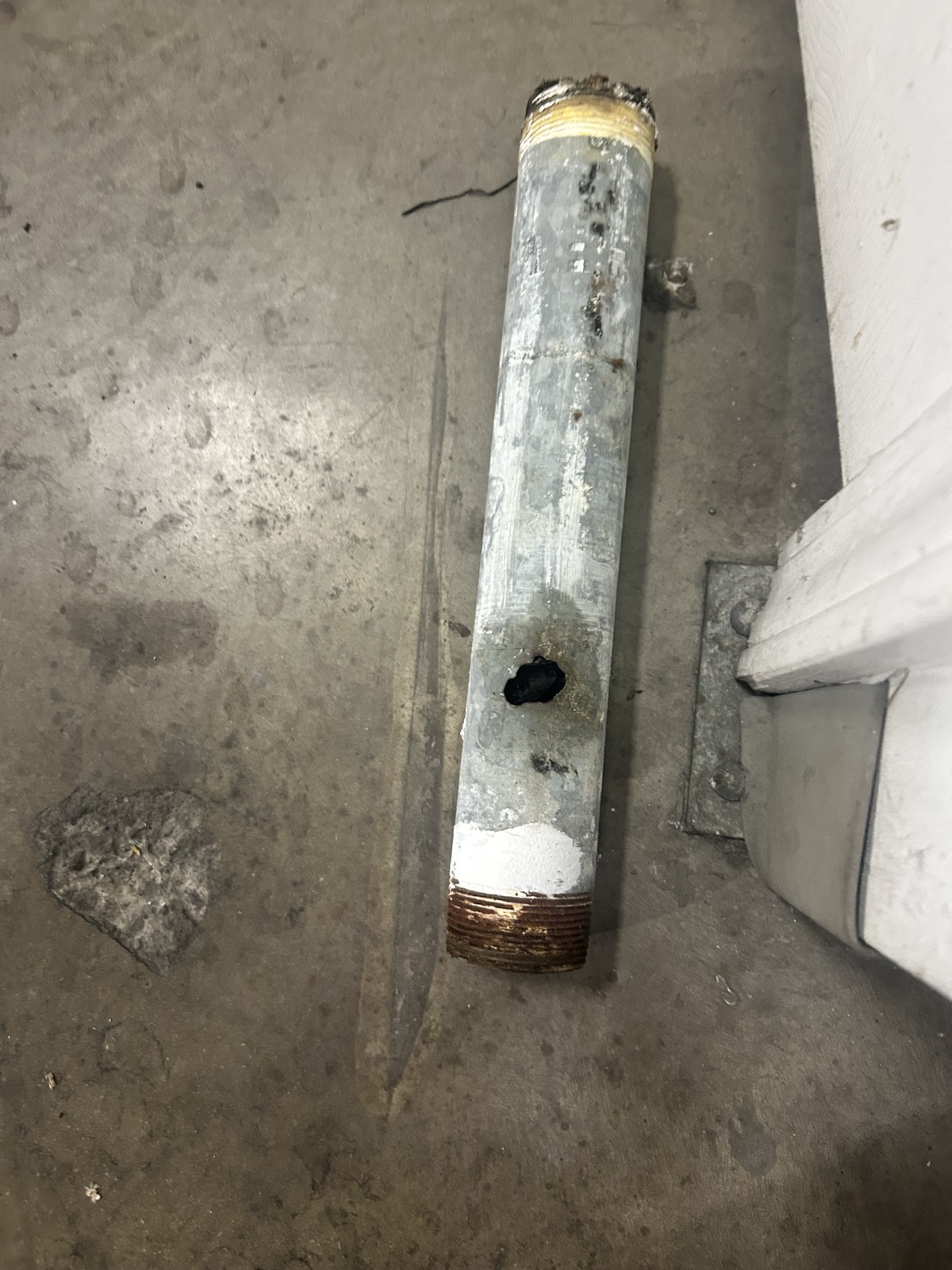
Once we know where the leak is and what the pipe looks like, there are two ways to fix it. A spot repair opens the slab at the marked location and replaces the failed section, which is the least disruptive option for a single leak on an otherwise sound line. A reroute abandons the under-slab line and runs a new one through the walls or attic, which makes sense when the copper is thinning in several places and a second leak is likely. We will show you what we found and give you a straight recommendation either way. If the whole system is aging, whole-house repiping may be the better long-term answer.