The short answer
- A running toilet almost always traces to one of two cheap parts: the flapper or the fill valve.
- The dye tablet test tells you which one is failing in under 10 minutes, no tools required.
- A worn flapper or fill valve is usually a $10–$20 DIY fix that takes 15 to 30 minutes.
- If the tank is cracked, the flush valve seat is corroded, or water is pooling at the base, that's a job for a plumber, not a hardware store trip.
That faint hiss from the bathroom at 2 a.m., or the toilet that seems to refill itself every twenty minutes, is one of the most common calls we get for toilet repair in Hot Springs. The good news: most of the time it's a small, inexpensive part, and you can diagnose it yourself in a few minutes before you ever pick up the phone.
A running toilet can waste hundreds of gallons a day, and it's rarely a plumbing emergency. It's almost always one of two parts inside the tank giving out. Below is how to tell which one, how to fix it yourself, and the handful of situations where it's smarter to bring in a plumber.
What Makes a Toilet Keep Running?
A running toilet means water is continuously leaving the tank or bowl instead of shutting off after a flush. In roughly 80% of cases this traces to a worn flapper or a misadjusted fill valve, according to the EPA WaterSense program, which estimates household leaks waste nearly 1 trillion gallons nationwide each year.
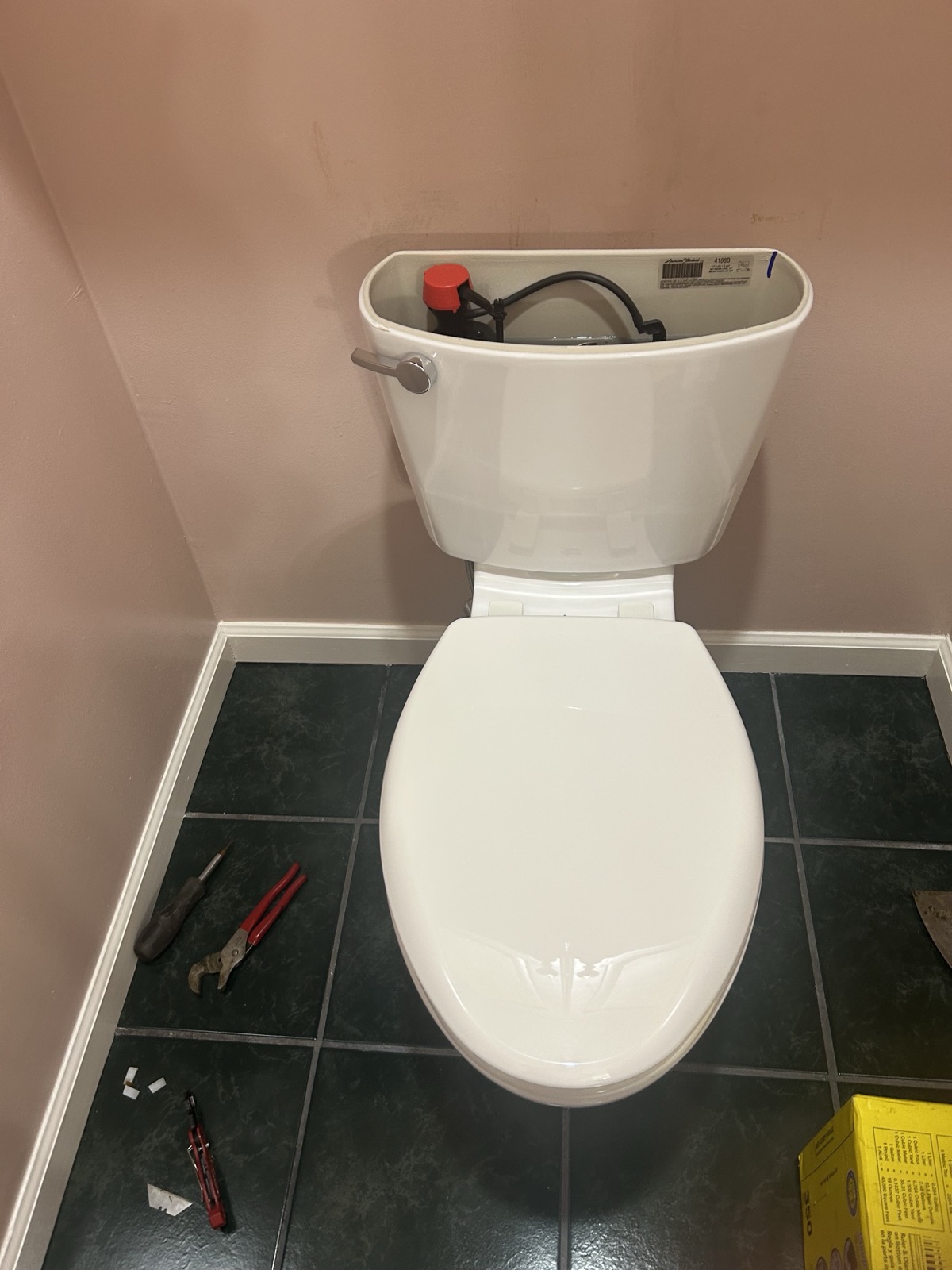
Inside every toilet tank, two parts do almost all the work: the flapper, a rubber seal at the bottom that lifts to release water into the bowl, and the fill valve, the tower-shaped part that refills the tank after each flush. When either one wears out or gets out of adjustment, water keeps moving when it should have stopped.
A less common but more serious cause is a cracked overflow tube, a corroded flush valve seat, or a crack in the tank itself. Those need a plumber, and we'll cover how to spot them later in this post.
How Do You Tell If It's the Flapper or the Fill Valve?
Two simple tests, the jiggle handle test and the dye tablet test, tell you which part is failing in under 10 minutes. Both use only what's already in your bathroom, according to EPA WaterSense, and neither requires draining the tank.
The jiggle handle test
If jiggling the handle stops the running water, the flapper chain is likely tangled, too short, or too long, and the flapper isn't seating flush against the drain opening. This is the easiest fix on this list and often costs nothing to correct.
The dye tablet test
This test isolates a flapper leak from a fill valve leak, and it takes about 10 minutes:
- Remove the tank lid and set it somewhere safe.
- Drop a few drops of food coloring, or a dye tablet if you have one, into the tank water. Do not flush.
- Wait 10 minutes without using the toilet.
- Check the bowl. If color has seeped into the bowl water, the flapper isn't sealing and is letting tank water leak past it.
- If the bowl water is still clear but you can hear or see water trickling into the tank's overflow tube, the fill valve isn't shutting off properly.
How Do You Fix a Worn Flapper?
Replacing a flapper is one of the cheapest repairs in plumbing, typically $5 to $15 in parts and about 15 minutes of your time, and it solves the majority of running-toilet complaints on its own. Most hardware stores carry a universal flapper that fits nearly any tank.
- Turn off the water supply valve behind the toilet and flush to empty the tank.
- Unhook the flapper's chain from the flush lever arm.
- Unclip or slide the old flapper off the two pegs at the base of the overflow tube.
- Press the new flapper onto the same pegs, matching the orientation of the old one.
- Reattach the chain with a small amount of slack — about a half inch — so it isn't taut or tangled.
- Turn the water back on, flush twice, and check that it stops running and seals fully.
If the flapper looks fine but is coated in a chalky white film, that's mineral buildup from hard water, common throughout the Hot Springs area. A quick wipe with vinegar sometimes restores the seal without a full replacement.
How Do You Fix a Fill Valve That Won't Shut Off?
A fill valve that runs too high or won't shut off usually just needs the float level adjusted; if that doesn't work, the whole valve is an easy swap for about $10 to $20 in parts. Either fix takes most homeowners under 30 minutes.
Try adjusting the float first
On most modern fill valves, there's an adjustment screw or clip on the side of the tower. Lowering the float by turning the screw or sliding the clip down half an inch at a time often stops water from reaching the overflow tube, where it constantly drains off and triggers refilling.
Replacing the fill valve
- Shut off the water supply and flush to drain the tank.
- Disconnect the supply line from the bottom of the fill valve.
- Unscrew the mounting nut underneath the tank and lift the old valve out.
- Set the new valve to match your tank's height and drop it into the same opening.
- Reconnect the mounting nut and supply line, then turn the water back on.
- Flush and check the shutoff height, adjusting the float if the water rises too close to the overflow tube.
Buy a fill valve rated for your tank's water pressure, and don't overtighten the mounting nut — it's plastic on most models and cracks easily if forced.
When Should You Call a Plumber Instead?
Call a plumber if you've replaced the flapper and fill valve and the toilet still runs, or if you see a hairline crack in the tank, corrosion at the flush valve seat, or water pooling around the base. Those point to a problem parts alone won't fix.
- A hairline crack in the tank or bowl — no amount of part-swapping stops a leak through cracked porcelain
- A corroded or pitted flush valve seat that no longer seals even with a brand-new flapper
- Water pooling at the base of the toilet after flushing, which often points to a failed wax ring, not the tank
- A toilet that's still running after both the flapper and fill valve have been replaced correctly
- Repeated clogs alongside the running water, which can mean a partially blocked trap or vent
None of these need to turn into a bigger repair if you catch them early. Bowen Plumbing has handled toilet repair and installation across Hot Springs, Hot Springs Village, Malvern, Bismarck, Jessieville, Pearcy, and Royal for 41 years, and we give you a flat, upfront price before any work starts — never a bill padded by the hour.