The short answer
- Backflow is when water reverses direction and can pull contaminants, chemicals or fertilizer back into the clean drinking water supply.
- Businesses, irrigation systems and properties with certain fixtures are typically required to test their backflow preventer annually.
- A test takes a certified tester about 15–30 minutes on-site and produces paperwork you file with your water provider.
- A failed test means repair or replacement of the assembly, followed by a retest before the paperwork is submitted.
If you've never had to think about backflow testing, there's a decent chance a letter from your water provider is what's making you think about it now. It's a common trigger — annual testing requirements are usually enforced by mail, not by memory.
Backflow prevention protects the water supply everyone in Hot Springs drinks from. Bowen Plumbing has served this area for 41 years and handles backflow testing and repair for both homes and businesses — this guide covers what the device does, who typically has to test one, and what the visit itself looks like.
What Is Backflow, and Why Does It Matter?
Backflow is when water pressure drops or reverses and pushes water backward through the plumbing instead of forward — potentially pulling fertilizer, irrigation chemicals, or contaminated water back into the clean supply. A backflow preventer is the device installed specifically to stop that from happening.
Under normal conditions, water flows one direction: from the municipal supply into your home or business. A sudden pressure drop — a water main break, heavy firefighting draw nearby, or a supply interruption — can momentarily reverse that flow. If a hose is sitting in a pool of fertilizer-treated water at that exact moment, or a commercial boiler is connected without protection, that's the path contamination takes back into the clean line.
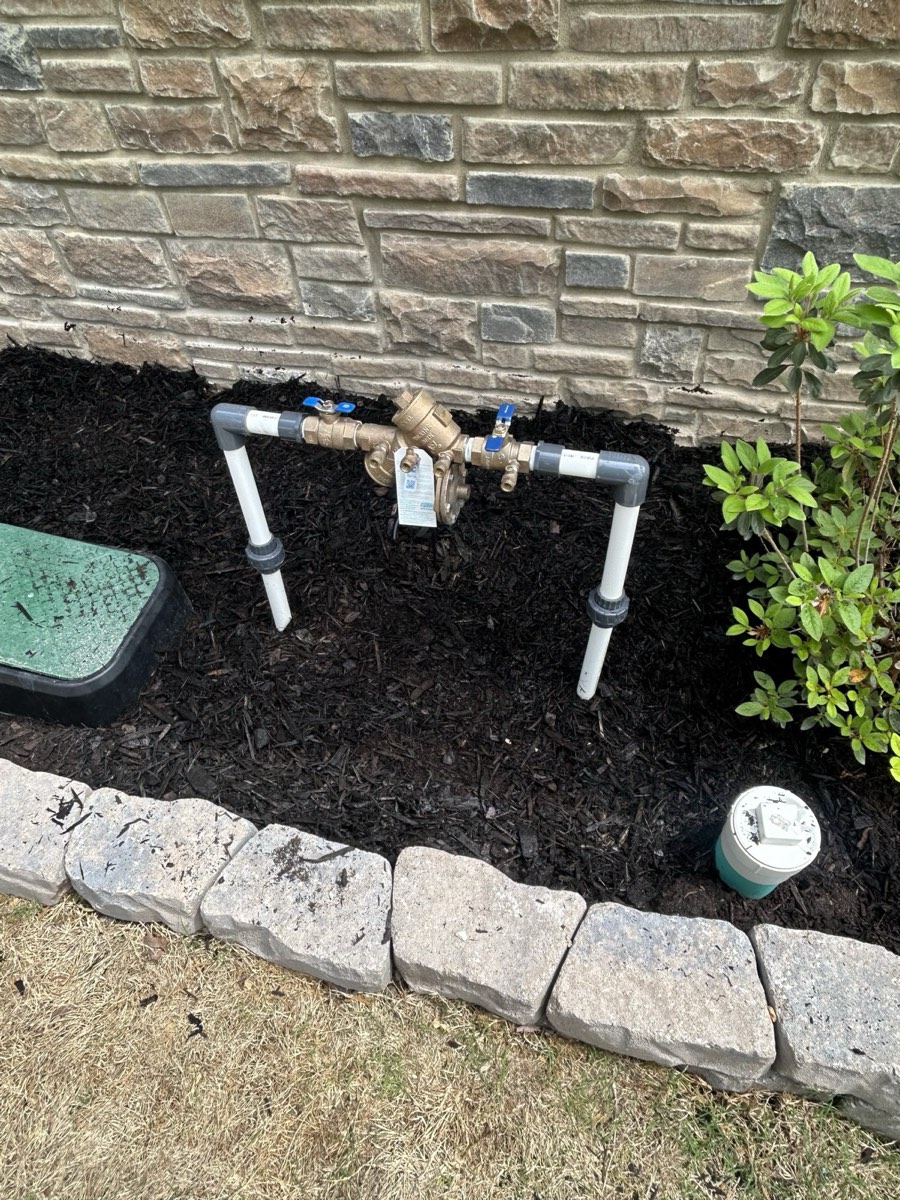
A backflow preventer is a mechanical assembly with internal check valves that only let water move one way. It's not a filter and it's not optional equipment on the systems that require it — it's the barrier standing between your irrigation chemicals and your neighbor's tap water.
Who Needs Backflow Testing in Hot Springs?
Businesses, irrigation system owners, and properties with certain plumbing setups are typically required to test their backflow preventer once a year, a requirement enforced by local water providers to keep the shared supply safe. Requirements vary by property type, so it's worth confirming your specific obligation rather than assuming.
The properties that most commonly get a testing notice fall into a few categories:
- Commercial and industrial properties — restaurants, medical facilities, manufacturing, and any business with equipment connected to the water line
- Properties with irrigation systems — lawn sprinklers pull from the same supply and are one of the most common sources of a required annual test
- Buildings with boilers or fire suppression systems
- Homes or businesses with a previously installed backflow preventer, regardless of whether the owner remembers it being required
Most residential homes without irrigation or specialty equipment don't have a backflow preventer at all and aren't subject to this requirement. If your property does have one, it's already there because a water provider or local code required it at some point — which usually means annual testing is required too.
How Often Do You Have to Test a Backflow Preventer?
Most Hot Springs commercial properties and irrigation systems test annually, a standard set by local water providers to make sure the device is still functioning correctly year over year. Some jurisdictions test on a different cycle, so the safest move is confirming the interval with your specific provider.
Mechanical check valves wear over time. Debris, mineral buildup, or a worn seal can let a valve fail quietly, with no visible sign until someone tests it. That's the entire reason for the annual requirement — a device that passed last year isn't guaranteed to pass this year.
What Happens During a Backflow Test?
A certified tester connects gauges to the assembly and checks that each internal check valve holds pressure correctly, a process that takes about 15 to 30 minutes on most residential and light commercial setups. The device generally doesn't need to be removed for testing.
The steps look roughly like this:
- The water supply to the assembly is temporarily shut off
- Test gauges are connected to the device's test cocks
- Each check valve is tested individually for proper closure and pressure holding
- Results are recorded on the required test report
- Water is restored once testing is complete
If everything checks out, the tester files the report with your water provider on your behalf, and you're done for the year. That paperwork matters — a completed test that never gets filed still leaves the property out of compliance.
What If a Backflow Preventer Fails the Test?
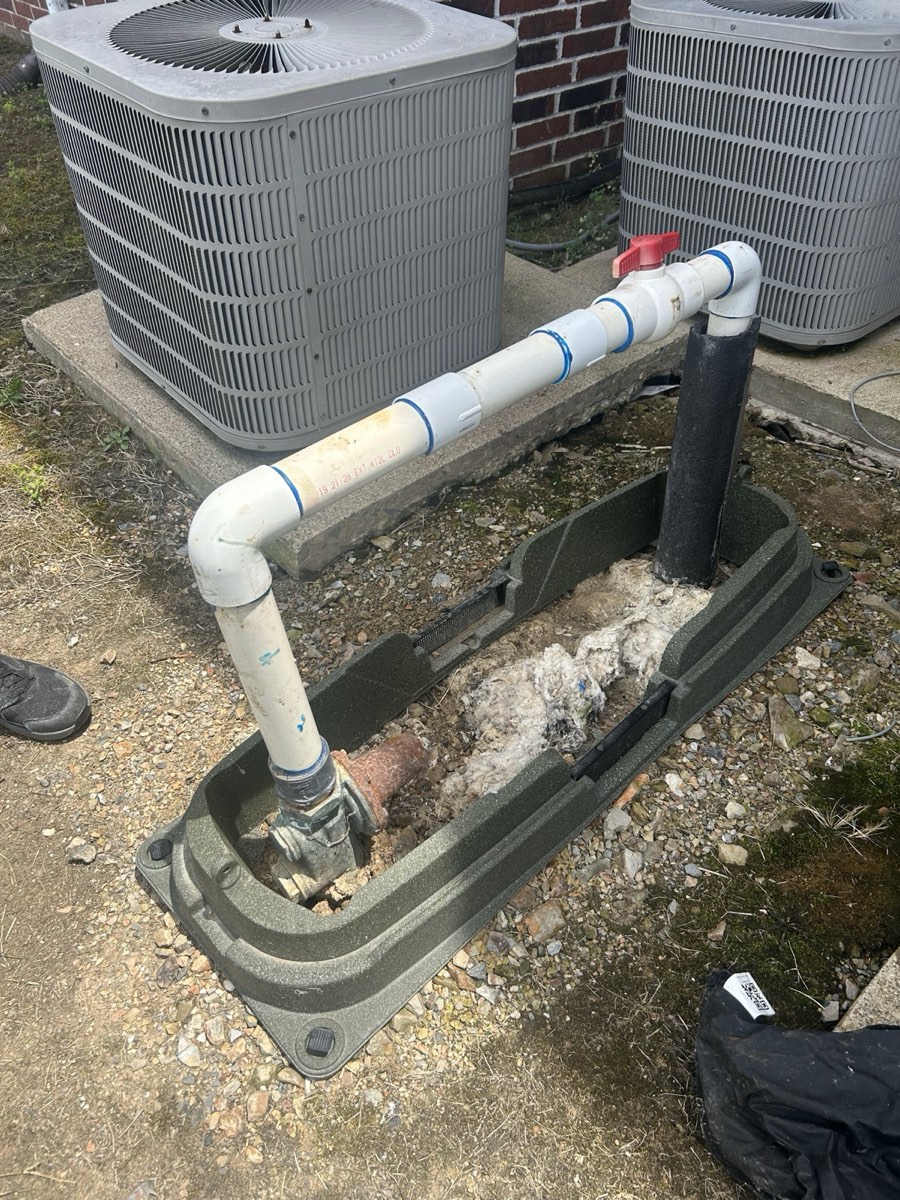
A failed backflow test means the device is no longer reliably protecting the water supply, so it needs repair or replacement before it passes again. Common causes are a worn rubber seal, debris lodged in a check valve, or an assembly that's simply reached the end of its service life.
In most cases, a failure is a repair, not a full replacement — rebuilding the internal parts of the assembly is often enough to bring it back to spec. When the device itself is too worn or outdated, replacement is the better long-term option. Either way, we quote the fix as one flat price before starting, then retest to confirm it passes before filing the paperwork.
Getting Your Backflow Preventer Tested
Backflow testing isn't complicated, but it is enforced, and letting a notice sit doesn't make the requirement go away. If you've got a business, an irrigation system, or a property with a backflow preventer already installed in Hot Springs, Hot Springs Village, Malvern, Bismarck, Jessieville, Pearcy, or Royal, we can test it, handle the documentation, and repair or replace the assembly if it doesn't pass.
Get in touch or call (501) 318-3747 and we'll get you scheduled and quoted with one flat price before any work begins.