The short answer
- Not every Hot Springs home needs a sump pump — it mostly comes down to lot grading, foundation type, and whether the property sits low or holds water.
- Homes with basements, below-grade rooms, or crawl spaces that stay damp after storms are the ones that benefit most.
- A failing sump pump usually shows warning signs first: short cycling, unusual noise, a musty smell, or a pit that never seems to empty.
- Bowen Plumbing tests, repairs, and replaces sump pumps across Hot Springs with one flat price quoted before any work starts.
"Do I actually need a sump pump?" is one of the more common questions we get from Hot Springs homeowners, especially after a hard spring rain. The honest answer is: it depends on your lot and your foundation, not on fear. This guide walks through who genuinely benefits from a sump pump installation in Hot Springs, who probably does not, and how to tell if the one you already have is on its way out.
Hot Springs and the surrounding Ouachita foothills get their share of heavy, fast rainfall, and the region's clay-heavy soil does not drain quickly. That combination is exactly what makes a sump pump useful for some homes and unnecessary for others — the difference comes down to where the water actually goes once it hits your yard.
Why Rainfall and Drainage Matter in Hot Springs
Hot Springs averages roughly 50 inches of rain a year, well above the U.S. national average of about 38 inches. That much water, combined with clay soil that holds moisture instead of absorbing it, is why some local basements and crawl spaces stay damp long after a storm passes.
Clay soil common around Garland County swells when wet and drains slowly, so water often has nowhere to go but sideways, toward the nearest low point. If that low point happens to be your foundation, a sump system gives the water a controlled place to collect and a pump to move it away from the house instead of into it.
This is a soil and grading issue more than a rainfall-totals issue. Two houses a block apart can have completely different water problems depending on how the lot slopes and how the foundation was built.
Does Your Home Actually Need a Sump Pump?
A sump pump makes sense for maybe a third to half of the homes we look at, generally the ones with a basement, a below-grade room, or a lot that traps water — not every house in Hot Springs needs one, and we will tell you plainly if yours doesn't.
Homes that usually benefit
- Houses with a full or partial basement, especially finished basements with flooring and drywall to protect
- Homes with a crawl space that stays damp, muddy, or has standing water after rain
- Properties on a low-lying lot, at the bottom of a slope, or where water visibly pools near the foundation
- Homes near a high water table, a creek, or a drainage easement
- Houses that have had water intrusion before, even once
Homes that usually don't need one
- Slab-on-grade homes with no basement or crawl space to protect
- Homes on elevated or well-graded lots where water clearly runs away from the foundation
- Crawl spaces that stay dry through normal Arkansas rain seasons
If you are not sure which camp your house falls into, that is exactly the kind of thing we check during a visit. We would rather tell you a sump pump is not worth the money than sell you one you don't need.
What Signs Point to a Failing Sump Pump?
A sump pump usually gives warning before it fails outright. Short cycling, grinding noises, a pit that stays full, or a musty basement smell are the most common red flags, and catching them early is far cheaper than dealing with a flooded basement later.
Signs worth calling about
- The pump runs constantly or cycles on and off rapidly, even in dry weather
- It never seems to turn on, even after heavy rain
- Grinding, rattling, or knocking sounds coming from the pit
- Water sitting in the pit well above the normal level
- A musty or mildew smell developing in the basement or crawl space
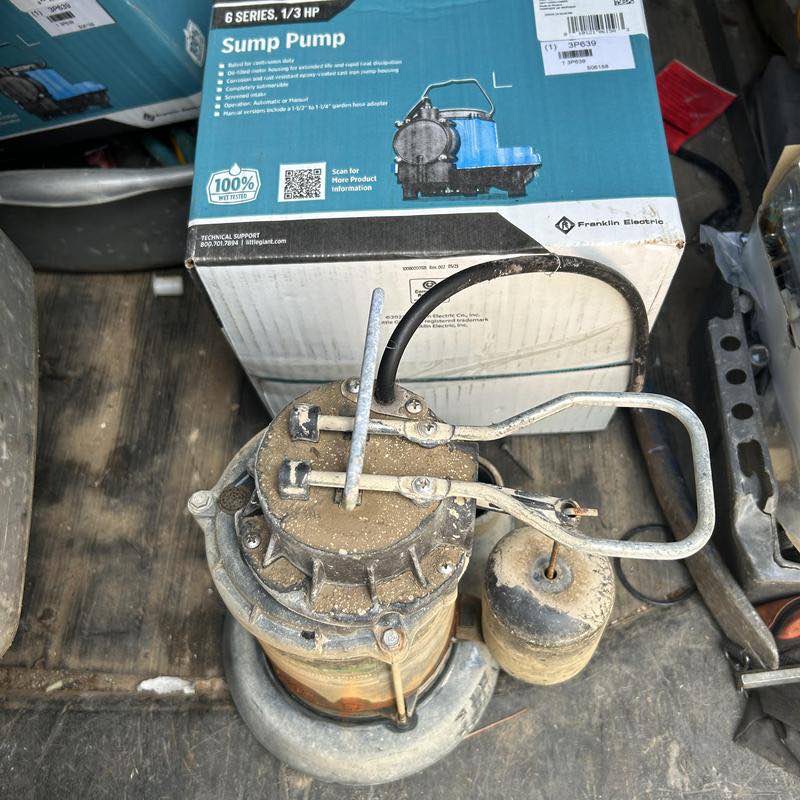
- Visible rust on the pump body or a motor that feels hot to the touch
- The unit is more than 8-10 years old and has never been replaced
A stuck float switch is one of the most common failures we see. When the float can't move freely, the pump either never kicks on or never shuts off, and both situations end the same way: a wet basement.
How Do You Maintain a Sump Pump?
Most sump pump failures come from a handful of preventable problems: a stuck float, a clogged intake screen, or a check valve that has worn out. A few minutes of basic upkeep a couple times a year catches most of these before they turn into a flooded basement.
Simple upkeep homeowners can do
- Pour a bucket of water into the pit and watch the pump kick on, pump the water out, and shut off cleanly
- Check that the float switch moves freely without snagging on the pit wall or a cord
- Clear any debris, dirt, or grit from the intake screen at the base of the pump
- Look at the discharge line outside to make sure it isn't clogged, kinked, or frozen shut
- Confirm the pump is still plugged into a working GFCI outlet, and not on an extension cord
A battery backup is worth mentioning here too. Arkansas storms that knock out power are often the same storms dropping the most rain, which is the worst possible time for a sump pump to lose electricity. A backup system keeps the pump running when it matters most.
Most manufacturers put a sump pump's working life around 8-10 years. If yours is older than that and has never been replaced, testing it before the wetter months is a smart move even if it seems to be working fine today.
Sump Pump vs. Sewage Ejector Pump: What's the Difference?
A sump pump and a sewage ejector pump look similar sitting in a basement pit, but they do very different jobs — mixing them up is a common source of confusion for homeowners comparing quotes or researching a fix.
A sump pump moves clean groundwater away from the foundation to keep a basement or crawl space dry. A sewage ejector pump handles wastewater from a below-grade bathroom or laundry room, pushing it up to the main sewer line since gravity can't do the job on its own. If your basement has a toilet or a laundry hookup, you may need both systems working independently.
FAQs
A few more questions Hot Springs homeowners ask us about sump pumps.