The short answer
- A water bill that jumps with no change in habits almost always means water is escaping somewhere on your side of the meter.
- Start with a 2-hour meter test: shut off every fixture and watch the low-flow indicator. If it moves, you have a leak.
- Toilets, irrigation, and water heaters cause most of the leaks homeowners can find and fix themselves.
- If the meter test says you're leaking but you can't find where, it's likely under the slab or buried in the yard — that's when tracer-gas leak detection finds it without digging or tearing out floors.
A water bill that suddenly doubles is not random. Something is using water in your Hot Springs home that you are not aware of, and most of the time it is a leak rather than a rate hike. Before you call anyone, there is a checklist you can run through yourself that finds the cause in a lot of cases.
We wrote this the way we would walk a homeowner through it over the phone: start with the meter, check the usual suspects, then know when a leak is hiding somewhere you cannot see or reach on your own.
How Do I Know If a Leak Is Causing My High Water Bill?
The fastest way to confirm a leak is the meter test. According to the EPA WaterSense program, the average U.S. household loses nearly 10,000 gallons of water a year to leaks, and most of that is invisible until the bill arrives. If your meter moves with every fixture off, you're leaking somewhere.
Find your water meter, usually near the street or at the front of the property. Most meters have a small triangular or star-shaped dial called a low-flow indicator. Make sure nobody in the house runs water, flushes a toilet, or starts a dishwasher for about two hours, then check the meter.
- Low-flow indicator spinning or moving: water is leaving your system somewhere on your side of the meter.
- Meter reading changed between checks with everything off: same conclusion, even without a visible spinning dial.
- Meter reading held perfectly still: your plumbing is tight, and the bill increase likely traces to a usage change, a rate adjustment, or a billing error worth calling the water department about.
Where Should I Check First for a Leak?
Toilets cause more wasted water than any other fixture in the house. A worn flapper or a fill valve that will not fully shut can silently run hundreds of gallons a day without ever overflowing the bowl, which is why it is always the first stop on this checklist.
Toilets
Add a few drops of food coloring to the tank and wait 10 minutes without flushing. If color shows up in the bowl, the flapper is leaking and letting tank water bypass into the bowl continuously. Also listen for a faint hiss or trickle right after a flush cycle should have ended.
Irrigation and outdoor spigots
Walk the yard while the sprinkler system is off and look for soggy patches, an unusually green strip of grass, or a spigot that drips even with the handle fully closed. Irrigation valves buried underground can fail slowly, so a small soft spot is worth noting even if it does not look serious.
Water heater
Check the base of the tank and the fittings on top for moisture, and look underneath if it is elevated. A failing water heater can weep slowly for weeks before anyone notices the puddle, especially in a garage or closet you do not visit daily.
Under sinks and around appliances
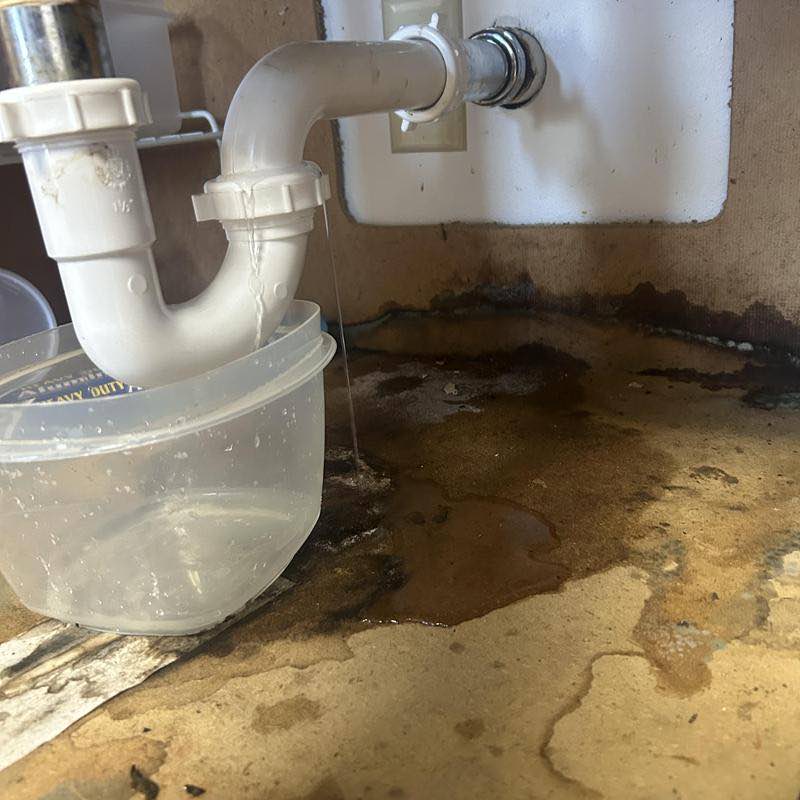
Open the cabinets under every sink and feel around the supply lines, shutoff valves, and drain trap for dampness. Pull the washing machine and dishwasher out enough to check their hose connections, since a slow drip there often goes unnoticed until it stains the flooring.
What Are the Hidden Signs of a Leak I Might Miss?
Some leaks never produce a puddle you can see. Warm spots on the floor, a musty smell with no obvious source, or the sound of running water when every fixture is off are the kind of quiet clues that point to a leak behind a wall, under a slab, or buried in the yard.
- A warm patch on an otherwise cool floor, which usually means a hot-water line leaking under the slab
- Bubbling, cracking, or lifting flooring, especially tile or laminate near an exterior wall
- A musty smell or soft drywall with no visible water source nearby
- Water stains that spread slowly on a ceiling or wall over several weeks
- A soggy or bright green patch of lawn that stays wet even during dry spells
- Noticeably lower water pressure at every faucet in the house, not just one
None of these require you to open a wall to investigate. They are simply worth noting and mentioning if you do call a plumber, because they help narrow down where the leak is likely hiding before anyone starts testing.
When Should I Call a Plumber for Leak Detection?
Call for professional leak detection once the meter test confirms a leak but the checklist above turns up nothing. That combination almost always points to a slab leak or a buried line, both of which need equipment to locate without guesswork or unnecessary digging.
The reason this step matters is cost. Opening a wall or trenching a yard to search for a leak by trial and error can turn a modest repair into an expensive one fast. According to the American Water Works Association, aging and undetected leaks are a leading driver of non-revenue water loss in residential systems nationwide, and the earlier a leak is pinpointed, the smaller the repair.
Slab leaks
If your meter is spinning and you have found a warm floor spot or a bill that keeps climbing but no visible plumbing failure, the line is likely running under your foundation. Slab leak detection uses tracer gas and acoustic testing to mark the exact spot from above the floor, so the repair opens one small section of concrete instead of a trench through the house.
Underground and yard-line leaks
A soggy patch far from any fixture, or a meter that keeps moving after you have shut off the whole house at the main valve, usually means the line between the meter and the house is failing underground. Tracer gas rises through soil, gravel, and even paved driveways, so underground leak detection finds it without excavating the whole yard to search.
How Does Tracer-Gas Leak Detection Work?
Tracer-gas detection finds hidden leaks by filling the suspect line with a safe hydrogen-nitrogen mix and tracking where it escapes, rather than relying on sound alone. The gas is 95% nitrogen and 5% hydrogen, non-toxic and non-flammable, and it rises straight up through concrete, tile, drywall, and soil.
We isolate the line we suspect is leaking, pressurize it with the tracer gas, and sweep the surface above it with a detector sensitive enough to pick up trace amounts. Wherever the gas concentration peaks is the leak, usually located within a foot or two even under a slab or several feet of ground. We mark that spot, explain what we found, and handle the repair on the same visit if you want us to.
How Much Water Does a Small Leak Actually Waste?
A leak that seems minor adds up fast. The EPA WaterSense program estimates that a single leaking faucet dripping once per second wastes over 3,000 gallons a year, and a running toilet can waste far more without anyone noticing a drop of water on the floor.
That is why the meter test at the start of this checklist matters more than chasing visible puddles. A leak large enough to spike your bill is often too slow or too well hidden to see, but it is never too small for a two-hour meter check with everything shut off to catch.
Getting an Accurate Answer
Run the meter test first, check toilets, irrigation, and the water heater, and note any warm floor spots or soggy patches in the yard. If those steps confirm a leak but you cannot find it, that is exactly the situation tracer-gas leak detection was built for.
If your bill is climbing and the checklist above has not turned up an answer, get in touch or call (501) 318-3747. We will walk through what you have already checked, run the detection that fits your situation, and give you one flat, up-front price before anything is opened up.